Northern lights trip planner: when, where and how we actually see them
We have chased the aurora as a family in Lapland and on the Lofoten Islands – and our next trip goes to Iceland. This guide to planning a northern lights trip sums up what really matters: the right season, the right place, the right night and the right gear. No magic, just planning.
In short: Travel between late September and late March, choose a place inside the aurora zone (roughly 65–72° north), stay at least 4–5 nights and go out on clear, dark nights. Weather beats the aurora forecast every time.
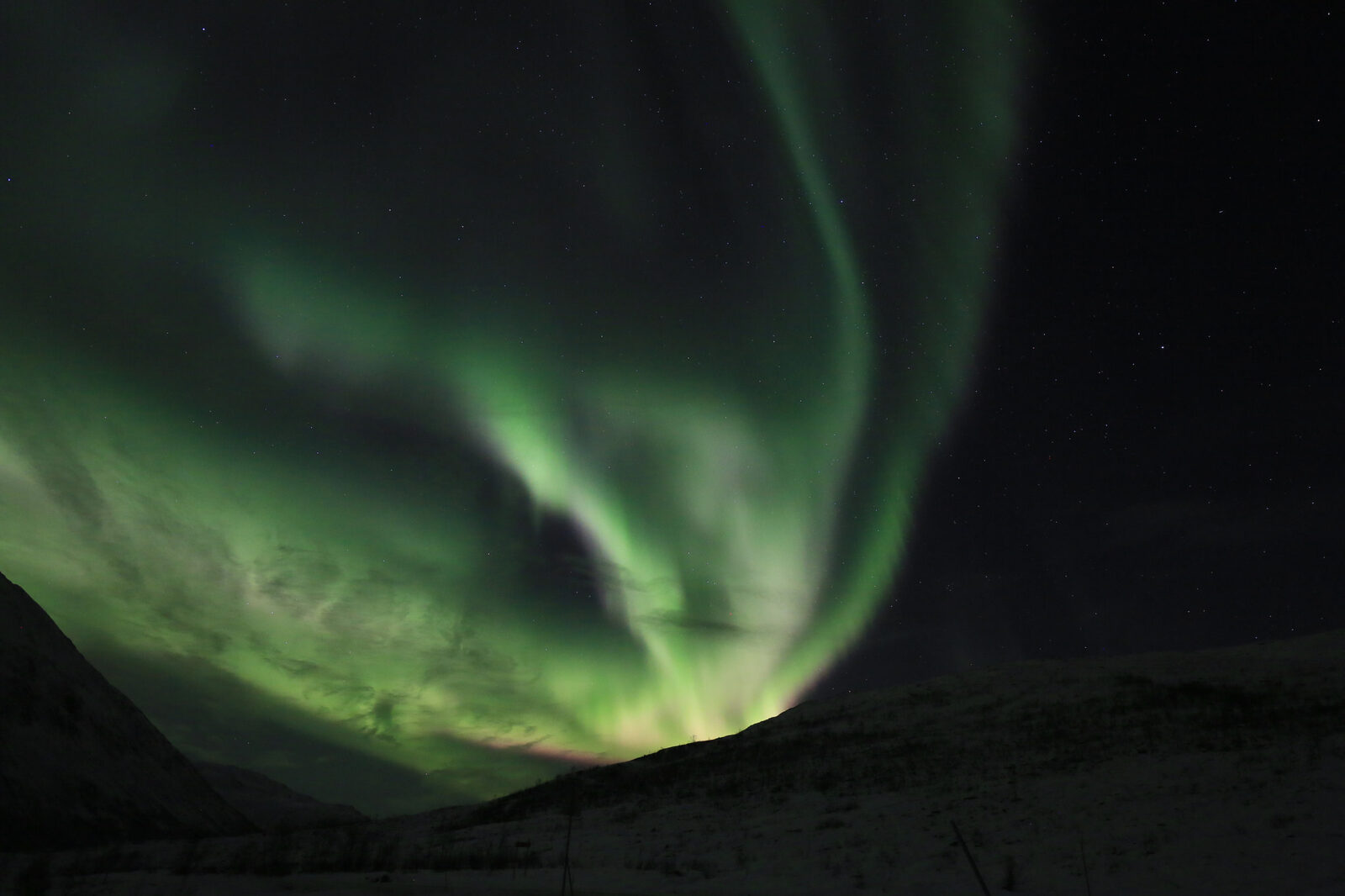
1. When to go on a northern lights trip
You need darkness. Above the Arctic Circle the nights are bright from about May to August, so the realistic season runs from late September to late March. September/October and February/March combine dark nights with milder temperatures and more daylight for sightseeing. Around the equinoxes geomagnetic activity is statistically often a little higher – a bonus, not a guarantee.
Plan several nights for your northern lights trip. One single night is a lottery; with 4–5 nights your chances of at least one clear sky rise a lot.
2. Where to go on a northern lights trip
- Lofoten (Norway): our favourite. On our trip we saw northern lights almost every evening, mostly between 18:00 and 21:00, sometimes later. Mountains and sea make every photo look like a postcard.
- Tromsø (Norway): easy to reach with many tours, but coastal weather is changeable – we saw little there. If it is cloudy, guided tours drive inland to find gaps in the clouds.
- Abisko (Swedish Lapland): known for comparatively stable, clear skies thanks to its location in the rain shadow of the mountains.
- Finnish Lapland (Rovaniemi, Levi, Saariselkä): cold, dry, family-friendly – glass igloos let you watch from a warm bed.
- Iceland: the whole country lies in the aurora zone; combine it with waterfalls, glaciers and hot springs.
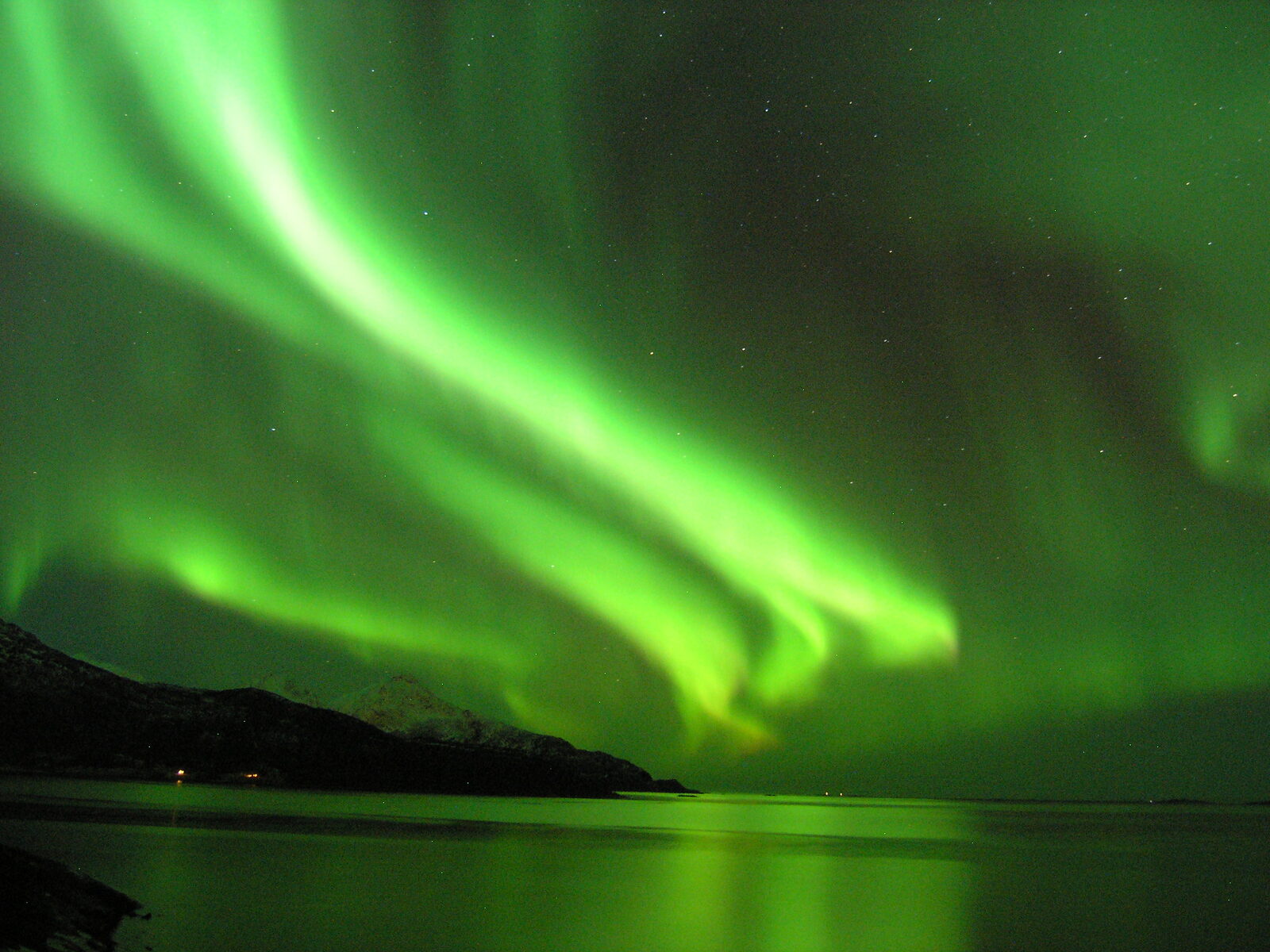
3. Finding the right night
- Cloud cover first: check yr.no (Norway, Sweden, Finland) or vedur.is (Iceland, including an aurora forecast).
- Activity second: the Kp index forecast (e.g. NOAA Space Weather Prediction Center). Inside the aurora zone even Kp 2–3 can give a good show.
- Get away from lights: 10–20 minutes by car away from town makes a huge difference.
- Be patient: the aurora comes in waves. Wait at least an hour, look north, and keep checking.
Not staying in a prime spot or not driving yourself? Then a guided aurora tour pays off – the guides know where the clouds break. We spent more than two hours searching on our own in some places; a tour would have been faster.
Find northern lights tours on GetYourGuide ↗
Our northern lights night in Norway 🎥
We waited all night for this – watch it in 15 seconds. Have you ever seen the aurora? Tell us in the comments!
@lifeisworthtravel auf TikTok
4. Photos with a phone or camera
Good photos are the best souvenir of a northern lights trip, and they are easier than you think.
- Use a tripod or lean the phone against something – exposures take seconds.
- Phone: night mode, 3–10 seconds. Camera: manual mode, ISO 1600–3200, aperture as wide as possible (f/2.8 or lower), 5–15 seconds, focus manually on infinity.
- Bright, fast aurora: shorter exposure. Faint arc: longer exposure.
- Cold drains batteries: carry spares close to your body.
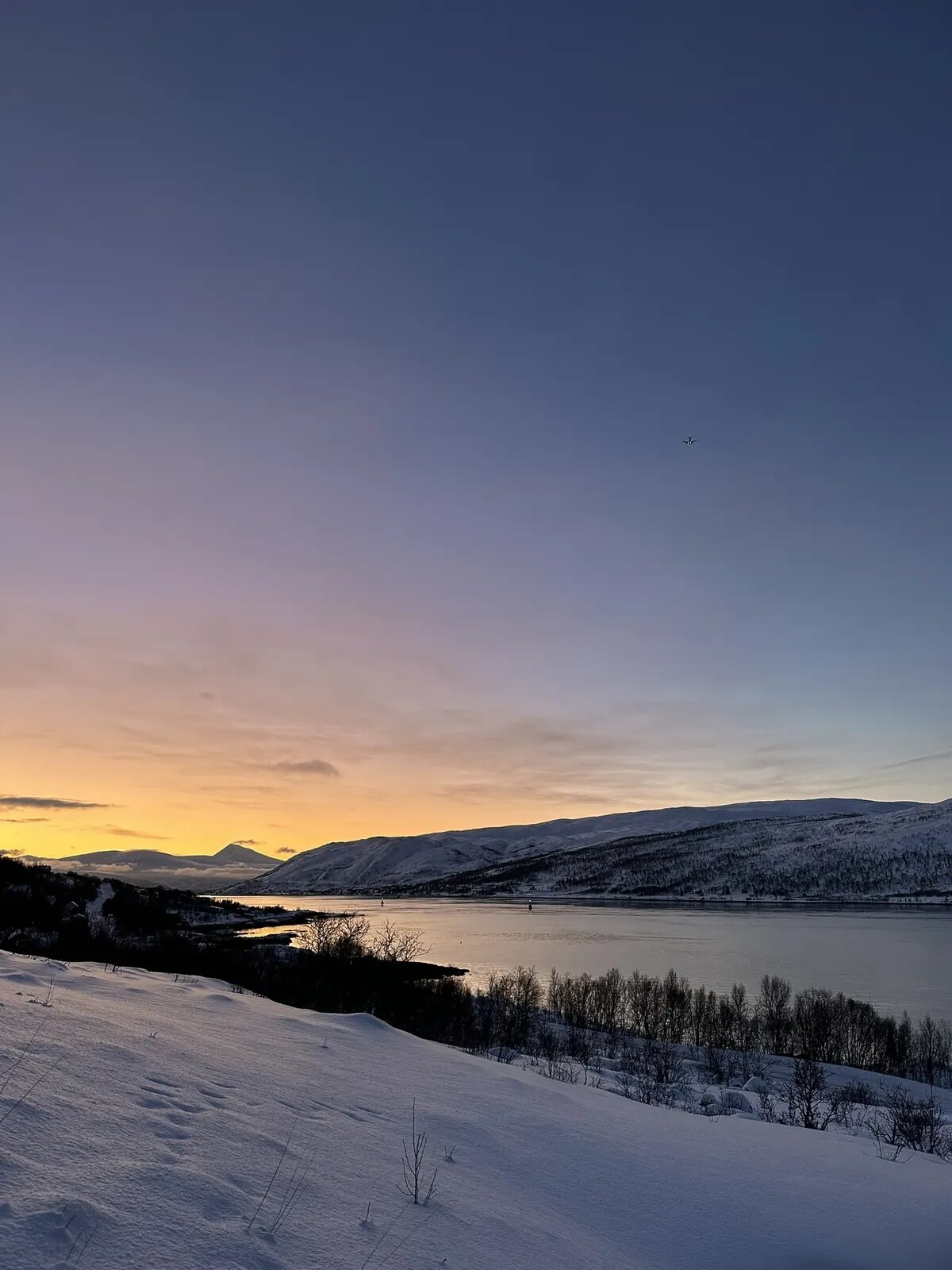
5. What to pack for a northern lights trip
- Layers: thermal underwear, fleece, down jacket, windproof outer layer, warm boots, hat, mittens.
- Shoe spikes for icy paths, a head torch with red light, hand warmers.
- A power bank – phones die quickly at −15 °C. More in our guide Internet & power on the road.
6. Money, car and insurance
A northern lights trip is not cheap: Scandinavia and Iceland are expensive, and card payment is standard almost everywhere. We pay with our Wise card – privately and for our business – because you pay in local currency at the real exchange rate.
- Get a Wise account and card ↗
- Compare rental cars (winter tyres included in Norway in winter) ↗
- Cabins and apartments on Airbnb ↗ · Hotels on Booking.com ↗
- Travel medical insurance by SafetyWing ↗
Safety in winter
Safety is part of every northern lights trip in winter. Never stop on the road to watch the sky – use parking areas. Check road conditions before you drive (Norway: Statens vegvesen; Iceland: umferdin.is) and always tell someone where you are going.
FAQ: northern lights trip
TipCan I see the northern lights in the city?
With strong activity, yes – but darker places away from street lights are much better.
TipDo I need a high Kp value?
No. Inside the aurora zone a clear sky matters more than a high Kp value.
TimingWhat time of night is best?
Often between 21:00 and 02:00 – on the Lofoten Islands we saw them mostly from 18:00. Start early and stay flexible.
Clouds, photos and guided tours
TimingWhat do I do if it is cloudy on my aurora night?
Check the cloud forecast for low, medium and high clouds separately (yr.no for Norway, vedur.is for Iceland, en.ilmatieteenlaitos.fi for Finland) and drive towards the gap. Inland valleys east of the mountains – Abisko, Kilpisjärvi, Alta – are often clear while the coast is grey; 50–100 km can decide the night.
TipWhich phone settings work for northern lights photos?
Night mode, phone on a tripod or resting on something solid, 3–10 seconds exposure, flash off, focus on a distant light. On iPhones Night mode allows up to 30 seconds only when the phone is completely still – a 10 € mini tripod pays off on the first night.
TipIs a guided aurora chase worth it?
Yes, if your northern lights trip has no rental car or you do not want to drive icy roads at night: guides know where the clouds break and drive to Finland if needed. Before booking, check whether the tour offers a free or discounted second night if you see nothing.
As of 01.11.2026. Prices, rules and opening hours change – please check the official sources before you travel. Sources: yr.no, vedur.is, Apple Support (Night mode).