 lifeisworthtravel
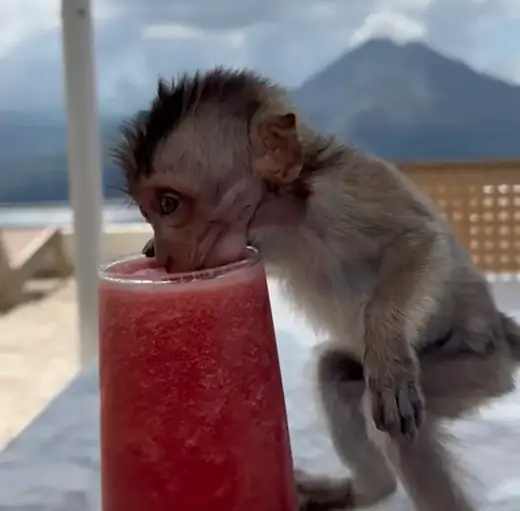
Bali monkeys are famous for a reason. Our monkey video from Bali reached more than 16 million views on TikTok, and the question we got most in the comments was simple: “Is it safe to go there?” Yes, if you know the rules. This guide explains how the long-tailed macaques at Uluwatu, Ubud and Sangeh behave, what they are really after, and how to enjoy them without losing your sunglasses, your phone or your mood.

Where you meet monkeys in Bali
- Sacred Monkey Forest Sanctuary, Ubud – the best-known spot. A jungle temple complex with paths, bridges and several hundred macaques. The monkeys are used to people and managed by staff.
- Uluwatu Temple – on the cliffs in the south, famous for sunsets and the Kecak fire dance. The monkeys here are known as skilled thieves: they grab glasses, hats and phones and “trade” them back for food.
- Sangeh Monkey Forest – a quieter forest of tall nutmeg trees north of Denpasar, usually far less crowded.
- Alas Kedaton near Tabanan – a smaller temple forest, often combined with a trip to Tanah Lot.
Why Bali monkeys steal – and what they want
The macaques have learned that tourists carry food and that shiny objects can be swapped for a snack. A monkey that grabs your sunglasses is not angry – it is doing business. That is why the most important rule is: nothing loose, nothing dangling, nothing edible.
The 10 rules for Bali monkeys that keep your visit relaxed
- Pack away sunglasses, hats and earrings before you enter. Glasses on top of your head are the number-one target.
- Phone in a zipped pocket or with a wrist strap. Filming is fine – just hold the phone firmly and never stretch it out towards a monkey.
- No food, no water bottles in your hand, no plastic bags. A rustling bag sounds like snacks.
- Don’t feed them, even if someone outside sells bananas. Feeding is what makes monkeys climb on people.
- Don’t stare into their eyes or show your teeth. For macaques, a direct stare and a big smile are threats.
- Stay calm if one jumps on you. Don’t scream or hit it. Stand still, lower your body slightly and let it jump off – it usually does within seconds.
- Keep a distance from mothers with babies and from fighting groups.
- Don’t touch them and don’t try to pick one up for a photo.
- If something is stolen, call the staff. Don’t chase the monkey – the rangers know how to get things back.
- Children stay close to adults and also follow the “nothing in the hands” rule.
If you get scratched or bitten
Bites from Bali monkeys are rare when you follow the rules, but take every scratch seriously. Wash the wound immediately for several minutes with soap and running water, disinfect it and see a doctor or clinic the same day. Rabies exists in Bali, and treatment after an exposure must start quickly. The WHO fact sheet on rabies explains the disease and the treatment after a bite. Before your trip, ask your doctor or a travel clinic whether a pre-exposure rabies vaccination makes sense for you – especially for longer stays or trips with children. Good travel insurance that covers medical treatment abroad is worth it for exactly these situations; we use SafetyWing for longer trips.
Best time of day to see Bali monkeys
Go in the morning, shortly after opening. It is cooler, quieter, and the monkeys are calmer. At Uluwatu, many people arrive before sunset for the Kecak dance – that is also when the most items get stolen, because the crowds are biggest. If you want the sunset there, arrive early, put everything away and enjoy the view.
What to bring
- A small backpack with zips (worn on your front in crowded spots)
- A phone strap or lanyard
- A sarong – required for temple areas, often lent or rented at the entrance
- Insect repellent and sunscreen applied before you go in
- A little cash for entry and parking
Getting there and where to stay
The Monkey Forest is in the middle of Ubud and easy to reach on foot if you stay in town. Uluwatu is in the south of the Bukit peninsula; most visitors come by scooter or driver. If you want to combine monkeys, rice terraces and temples, Ubud is the best base – you can find stays from simple guesthouses to villas with jungle views on Airbnb. Guided half-day trips with temple visits are available on GetYourGuide.
Paying in Bali without losing money
Entry fees, drivers and warungs are paid in Indonesian rupiah, often in cash. When an ATM or card terminal offers to charge you “in your home currency”, say no and pay in rupiah – the conversion offered there is usually much worse. We pay and withdraw with a Wise card, which shows the exchange rate and fee before you pay.
Respect the place
The forests where Bali monkeys live are also temple sites and holy places for the Balinese. Dress modestly, don’t climb on temple walls and follow the signs. The monkeys live there – we are the guests.
Quick checklist
- Glasses, hat, jewellery: packed away
- Phone: strap or zipped pocket
- Food and bags: none in your hands
- Eye contact and big smiles: avoid
- Scratch or bite: wash, disinfect, doctor the same day
This page contains referral links. If you book through them, we may receive a small commission – the price stays the same for you.
FAQ: Bali monkeys
SafetyDo I need a rabies vaccination before visiting Bali’s monkeys?
Bali has had rabies since 2008. Many travel clinics recommend pre-exposure vaccination for longer stays and for children – today usually 2 doses, 7 days apart (WHO schedule). After any bite or deep scratch you still need medical care the same day, vaccinated or not.
FamilyWhich monkey spot is best with small children?
Sangeh: shady, flat paths, fewer visitors and usually calmer monkeys. Uluwatu is the least suitable – narrow cliff paths and the boldest thieves. Everywhere: keep children close and snacks out of sight.
CostsHow much is the entrance at Uluwatu Temple?
IDR 50,000 for adults and IDR 30,000 for children, sarong included. The Kecak fire dance is a separate ticket of IDR 150,000.
As of 01.11.2026. Prices, rules and opening hours change – please check the official sources before you travel. Sources: WHO position paper on rabies vaccines (2018), baliholidaysecrets.com (Uluwatu, January 2026).