 lifeisworthtravel
A city of around 430,000 people that no road from the outside reaches. Iquitos, deep in the Peruvian Amazon, holds the Guinness record as the largest city with no major road connection. It is the gateway to pink river dolphins, sloths and monkeys – and the world’s ayahuasca hotspot, which deserves a sober, safety-first look. Updated: 01.11.2026 · Auf Deutsch lesen
Iquitos at a glance
- Getting there: fly from Lima (about 1 h 50 min with LATAM, Sky Airline or Star Peru) or take a multi-day river boat.
- Airport: Coronel FAP Francisco Secada Vignetta (IQT), about 20 minutes from town.
- Best season: high water (about Dec–May) for boat safaris and dolphins; low water (about Jun–Nov) for hiking and birds.
- Health: yellow fever vaccine recommended, malaria risk – see a travel doctor before you go.
- Lodges: published packages from about US$695 per person for 3 days.
Why there is no road to Iquitos
Iquitos lies on the Amazon where the Nanay and Itaya rivers join it, surrounded by hundreds of kilometres of rainforest and flood plains. A road runs to the town of Nauta, but none connects Iquitos with Lima or the rest of Peru. Everything – cars, fuel, building materials – arrives by river or air. That isolation shapes the city: mototaxis rule the streets, life follows the rhythm of the river, and the jungle starts just beyond the last houses.
Step 1: book the right flights to Iquitos
There are no international flights into Iquitos. Route data lists non-stop flights from Lima (LATAM, Sky Airline, Star Peru, about 1 h 50 min), plus Star Peru from Pucallpa and Tarapoto (about 1 hour each). Search engines show Lima–Iquitos fares from around US$50 one way, but holiday dates cost far more.
Tip: long-haul flights into Lima are often late. If your Iquitos flight is on a separate ticket, overnight in Lima or leave several hours of buffer.
Adventure option: cargo boats travel to Iquitos along the rivers, for example from Yurimaguas. Trips range from about 19 hours to several days; most passengers sleep in hammocks on deck. Bring water, repellent and a lock for your bag.
Step 2: decide where to sleep in Iquitos
In town: the area around the Malecón (riverfront promenade) and Plaza de Armas is the most convenient – restaurants, boat landings and tour offices are walkable, and you will want air conditioning. Find apartments and rooms on Airbnb in Iquitos or compare hotels on Booking.com.
In the rainforest: most travellers spend three or more nights at a jungle lodge. Packages usually include boat transfers, meals, guided excursions and gear.
| Example lodge | Package | Price per person | Notes |
|---|---|---|---|
| Treehouse Lodge | 3 days / 2 nights | US$695 standard, US$865 peak | peak = 01.07.–31.08. and 23.12.–01.01.; meals, transfers, excursions included |
| Tahuayo Lodge | 4 days / 3 nights | US$895 | private guide, speedboat up to about 4 h, reserve fees included |
Choosing a lodge – five questions to ask:
- How far is it from Iquitos? Further usually means wilder forest and more wildlife.
- How big are the groups, and are guides local and trained?
- What exactly is included – park fees, drinks, boots, tips?
- Do they avoid any handling or feeding of wild animals?
- What is the emergency plan, and how long to the nearest hospital?
Excursions and multi-day trips with flexible cancellation are on GetYourGuide.
Step 3: pick your season
The Amazon is hot and humid all year (mostly 21–32 °C), and it rains in every month – even August, the driest, sees rain about every other day. The real difference is the river, which can rise by about 7.5 metres.
| High water | Low water | |
|---|---|---|
| When | about December – May, peak in May | about June – November |
| Best for | boat trips into flooded forest, pink dolphins, monkeys, sloths | jungle walks, sandbanks, birdwatching, piranha fishing |
| Downside | many trails underwater | some channels too shallow |
Busiest periods: Christmas and New Year, March, and June to August. The San Juan festival on 24 June is the city’s biggest party.
The animals – and how to see them responsibly
Pink river dolphins hunt in rivers and oxbow lakes away from town; at high water, boats reach those lakes more easily. Sloths hang motionless in riverside trees – your guide will spot them long before you do. Monkeys listed by lodges near Iquitos include pygmy marmosets (the world’s smallest monkeys), night monkeys, howlers and squirrel monkeys. Add toucans, macaws and herons, and you have one of the richest wildlife regions on the planet.
Two rescue projects are popular with visitors:
- Amazon manatee rescue centre (Centro de Rescate Amazónico), km 13.8 on the Iquitos–Nauta road, raises orphaned manatees for release. Older listings give Tuesday–Sunday, 9 am–3 pm; confirm before visiting.
- Pilpintuwasi in Padre Cocha, 15–20 minutes by boat from Bellavista-Nanay port: a butterfly farm and orphanage for rescued animals such as a jaguar, sloths and monkeys. Foreign adults pay US$5 according to listings; closed Mondays.
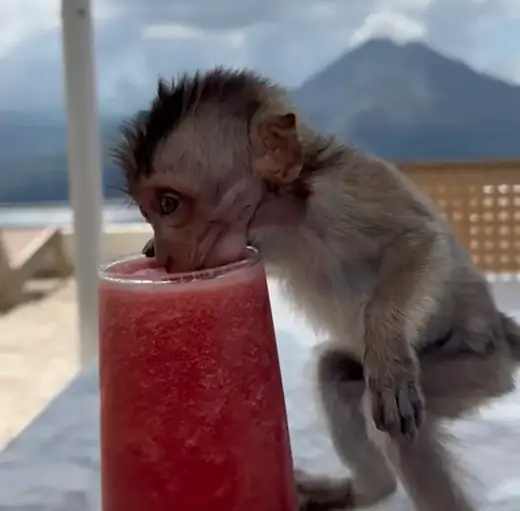
The golden rule we also follow with Bali’s monkeys: look, don’t touch. Never pay for a photo holding a sloth or monkey – those animals are usually taken from the wild illegally and suffer from being handled.
Step 4: sort out your health
- Yellow fever: the US CDC recommends the vaccine for everyone aged 9 months and older travelling to areas below 2,300 m in regions such as Loreto. Peru does not require it for entry.
- Malaria: the CDC lists transmission in all areas below 2,500 m east of the Andes – Iquitos included. Ask your doctor or a travel clinic whether you need preventive medication and which kind.
- Bites: cover up from dusk, use repellent and sleep under a net.
- Insurance: choose cover that includes medical evacuation; we use SafetyWing on longer trips.
Ayahuasca: what every visitor should know
Ceremonies are advertised all over Iquitos. This section is not an invitation – it is information to help you stay safe.
What it is. Ayahuasca is a traditional Amazonian plant brew used in ceremonies by Indigenous and mestizo healers. It contains the psychedelic substance DMT plus compounds that inhibit the enzyme monoamine oxidase (MAO). That pairing makes it active – and causes the most dangerous interactions.
The legal side. On 12.07.2008, Peru’s National Institute of Culture declared the traditional knowledge and uses of ayahuasca by Amazonian communities national cultural heritage (RDN 836/INC), explicitly to protect that tradition from decontextualised, commercial use. Many countries see it very differently. In Austria, for example, DMT is covered by the Narcotic Substances Act: acquiring, possessing, supplying, importing and exporting it are criminal offences. Check your home country’s law before even thinking about it, and never carry it across borders.
Health risks of ayahuasca in Iquitos
The health risks.
- Antidepressants and other medicines: combined with SSRIs and other antidepressants, the MAO inhibition can cause serotonin syndrome, which can be fatal. Some other psychiatric drugs, cold and pain medicines and stimulants are also risky. Never stop any medication yourself or because a retreat tells you to – only your own doctor can advise you.
- Heart: blood pressure and heart rate can rise, a serious problem with heart disease or high blood pressure.
- Mental health: DMT can trigger psychosis and other severe episodes, especially with a personal or family history of psychosis, schizophrenia or bipolar disorder.
- Distance from help: lodges and centres are often hours from a hospital.
Deaths and serious emergencies at ceremonies in South America have been reported in the media more than once.
Rogue operators and more responsible centres
Rogue operators and abuse. Sexual abuse by self-proclaimed shamans has been documented; the Chacruna Institute published a guide to raise awareness of it. Walk away if you see any of these: street or hostel touts, bargain prices, one-to-one sessions alone with a “shaman”, touching without clear consent, alcohol or other substances, miracle cures, no health screening, or someone wanting to hold your passport or phone.
What more responsible centres do. They screen thoroughly for medical and psychiatric risks and turn people away; publish prices, address and staff names; have independent reviews; keep a written emergency plan with medically trained staff and transport to hospital; work in small groups with several sober facilitators (female facilitators on request); and make clear you may stop and leave at any time.
If you have any health condition, take medication or feel unsure, the safest choice is simple: don’t. The Amazon is extraordinary without it.
What a trip to Iquitos costs
| Item | Cost | Note |
|---|---|---|
| Flight Lima – Iquitos | from approx. US$50 one way | search-engine deals |
| Jungle lodge, 3 days | US$695–865 per person | Treehouse Lodge, by season |
| Jungle lodge, 4 days | US$895 per person | Tahuayo Lodge |
| Pilpintuwasi entry | US$5 | foreign adults |
| City stay | varies widely | compare Airbnb and Booking |
Money and connectivity
Peru’s currency is the sol. Cards work in many city businesses, but boats, mototaxis and villages want cash – and always decline “pay in your home currency” at ATMs. How to avoid hidden fees abroad is explained on sendwatan.com; the classic traps are in 8 travel money mistakes. Mobile signal disappears quickly outside town – read Internet and power on the road before you go. Want more remote places? See 12 places at the end of the world.
Entry and safety
Entry rules depend on your nationality – check your government’s advice (for example the UK travel advice for Peru). Austrians, for example, can stay up to 90 days without a visa, need a passport valid for at least 6 months on arrival and may be asked for an onward ticket. Austria’s ÖAMTC lists Peru at security level 2. In Iquitos, take registered transport at night and visit the lively Belén market with a local guide.
This page contains referral links. If you book through them, we may receive a small commission – the price stays the same for you.

FAQ: Iquitos
Getting thereWhy can’t you drive to Iquitos?
Dense rainforest and huge seasonal floods surround the city. A road only reaches nearby Nauta; there is no connection to Peru’s national road network, so you fly or come by boat.
Getting thereHow long is the flight from Lima to Iquitos?
About 1 hour 50 minutes non-stop with LATAM, Sky Airline or Star Peru.
TimingWhen is the best time to see pink river dolphins?
High water, roughly December to May, makes it easier for boats to reach the lakes and flooded forest where they hunt.
TipDo I need vaccinations for Iquitos?
The CDC recommends yellow fever vaccination for the region, and there is malaria risk. See a travel doctor well before departure – they will also advise on malaria prevention.
SafetyIs ayahuasca safe?
It carries serious risks: dangerous interactions with antidepressants and other medicines, strain on the heart, possible psychosis and documented abuse by fake shamans. It is also illegal in many countries, including Austria.
TimingHow many days do I need in Iquitos?
Plan at least 4–5 days: one night in town, three nights at a lodge and a buffer day for flights.
As of 01.11.2026. Sources: Guinness World Records, flightconnections.com, rainforestcruises.com (updated 25.12.2025), treehouselodge.com, perujungle.com, tierrasvivas.com, CDC Yellow Book – Peru, ÖAMTC, Andina (12.07.2008), checkit! Vienna (DMT), Callaway & Grob 1998 (Journal of Psychoactive Drugs), Chacruna Institute. Not medical advice.